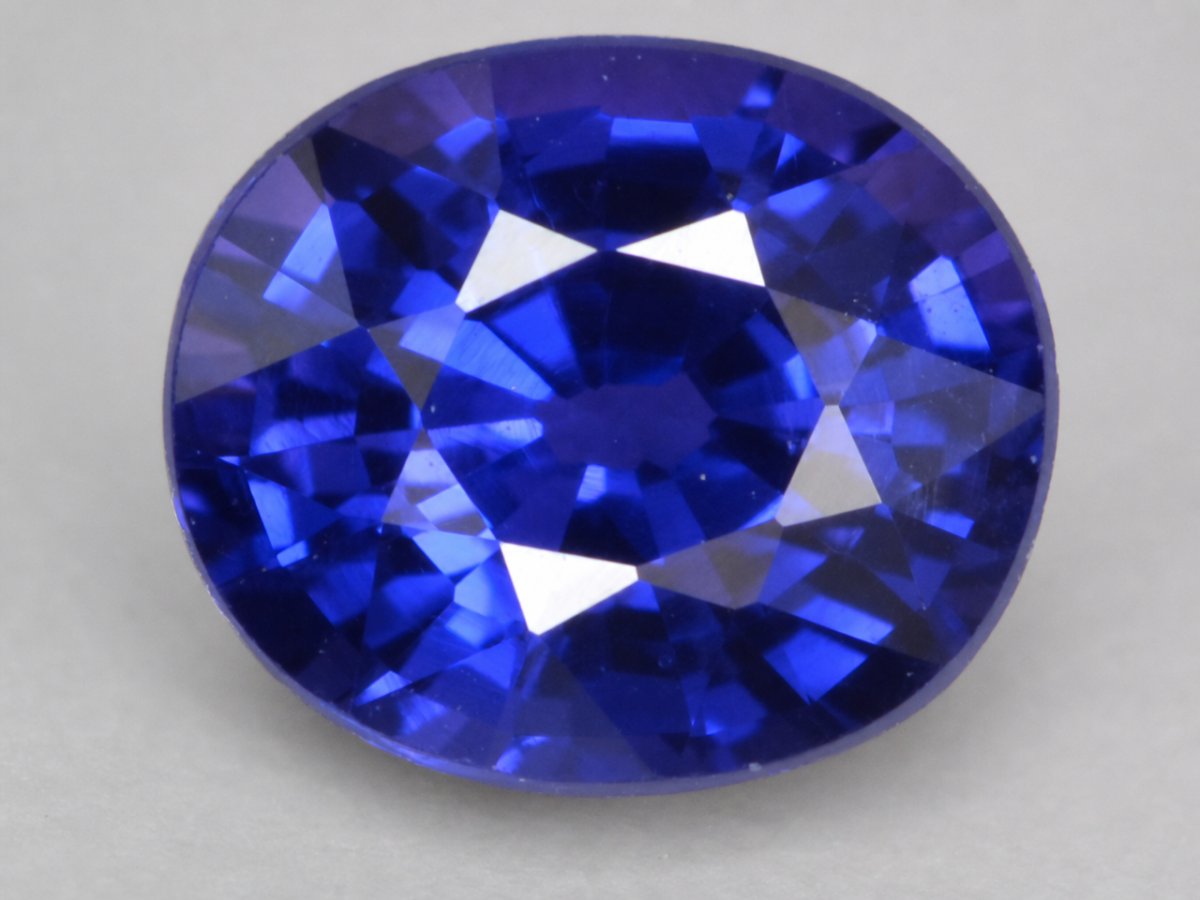


Blue sapphire is one of the most recognized and widely chosen blue gemstones, valued by buyers for its rich color, broad jewelry suitability and connection with sapphire, the corundum gem family. It is a practical choice for many types of jewelry, from everyday rings and stud earrings to pendants and engagement rings. A good purchase, however, depends on understanding more than the name of the gem. Color, cut, clarity, size, treatment disclosure and intended jewelry use all affect whether a particular stone is right for you.
This guide explains the main points to check before buying blue sapphire. It is written for shoppers comparing loose gemstones, jewelers selecting stones for custom designs and collectors who want to make a confident, informed choice.
What Is Blue Sapphire?
Blue sapphire is the blue variety of sapphire and belongs to the mineral species corundum. Corundum is an important gem material because it combines attractive color with excellent durability, making blue sapphire suitable for jewelry that may be worn often.
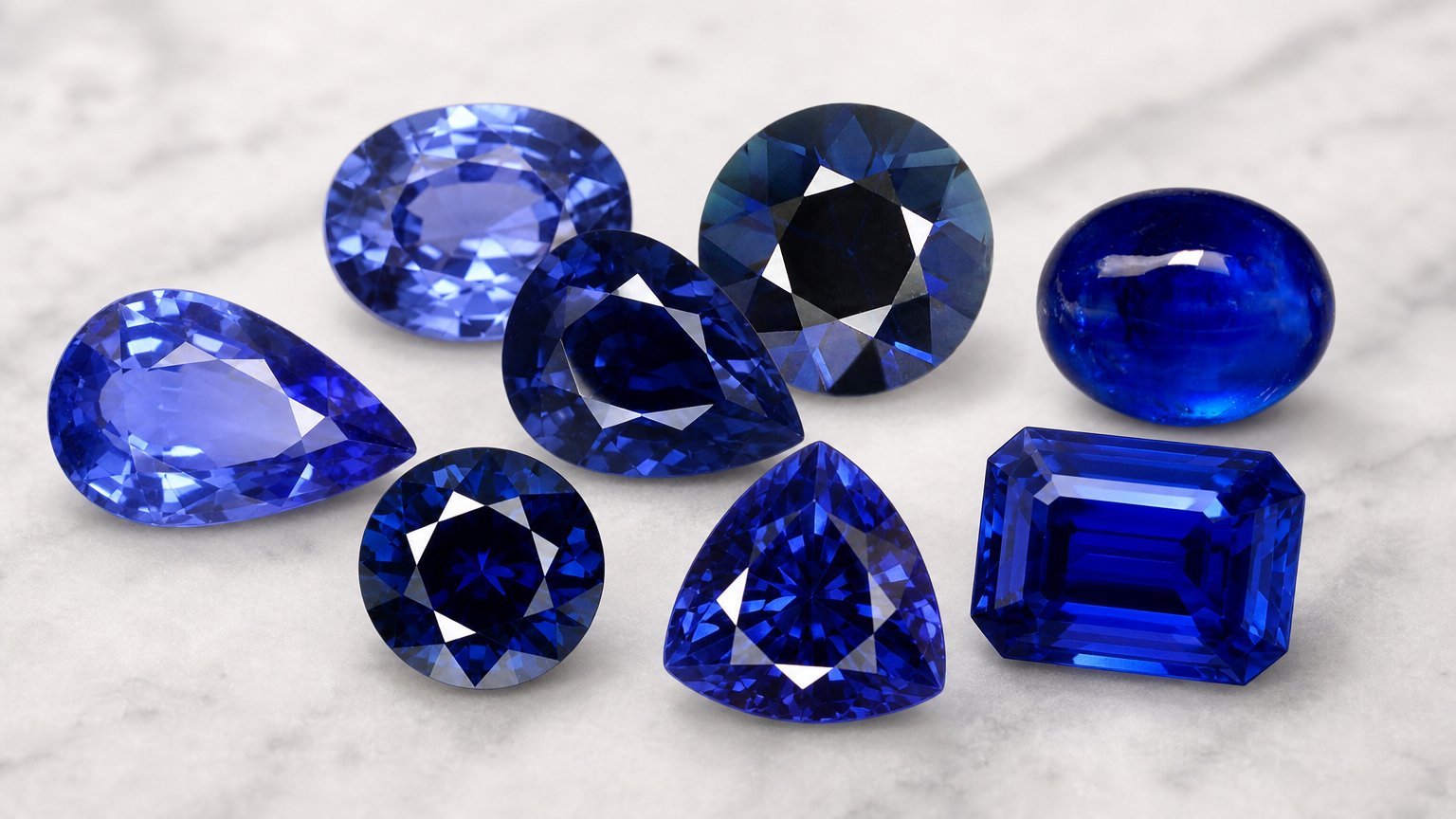
For buying purposes, the most important point is that “blue sapphire” covers a range of blue appearances. Two stones can both be correctly described as blue sapphire while looking quite different in tone, brightness and overall visual character. Because of this, it is better to judge a specific gemstone by its photographs, measurements, treatment status and suitability for your design rather than relying on the name alone.
Color and Appearance: The First Buying Priority
Color is usually the first feature buyers notice in blue sapphire. The verified color for this gemstone is blue, but blue can appear in different strengths and depths. When comparing stones, look at three practical aspects: hue, tone and saturation.
Hue, Tone and Saturation Explained
Hue is the basic color impression: in this case, blue. Tone describes how light or dark the stone appears. Saturation describes how strong or vivid the blue looks. A sapphire with a balanced appearance will show its blue color clearly without appearing overly dark in normal viewing conditions.
Personal preference matters. Some buyers prefer a deeper, more dramatic blue, especially for rings and formal jewelry. Others prefer a brighter blue that looks lively in smaller stones or earrings. When shopping online, compare images carefully and check whether the gem has been photographed in a way that allows you to judge the actual face-up color.
Color Evenness
Color evenness is another useful buying consideration. Rotate the gemstone mentally as you review images or videos, and look for whether the blue color appears consistent across the face of the stone. Some variation may be acceptable, especially if the stone remains attractive when set, but strong unevenness can affect the overall look in a finished piece.
Matching Blue Sapphires
If you are buying blue sapphire for earrings, side stones or a multi-stone ring, matching becomes important. Stones do not need to be identical in every detail, but they should look harmonious in color, shape and size when viewed together. For stud earrings, round or oval stones with similar tone and brightness are often easier to pair visually.
Clarity: What Buyers Should Look For
Clarity describes the presence or absence of internal features and surface-reaching characteristics visible in a gemstone. In practical buying terms, the key question is simple: does anything distract from the stone’s beauty when viewed face-up?
For jewelry, many buyers prefer a blue sapphire that looks clean to the unaided eye from a normal viewing distance. This is often more practical than judging a gem under magnification only. Magnification can reveal features that are not visible when the stone is worn, so consider both close-up inspection and real-world appearance.
When evaluating clarity, also consider the planned setting. A small clarity feature near the edge may be less noticeable once the gem is set, while a visible feature in the center of the stone can be more distracting. For open settings, pendants and larger rings, clarity may be more noticeable, so it is worth reviewing the stone carefully before purchase.
Cut Styles and Shapes
Blue sapphire is commonly faceted, which means the gem is cut with flat polished surfaces designed to reflect light and show the stone’s color. Faceted blue sapphires are popular for rings, earrings, pendants and many other jewelry styles. Diamond cut and step cut styles are also seen, while cabochons are used when a smooth, domed surface is desired.
Faceted Cuts
A well-cut faceted blue sapphire should present good face-up color and a pleasing outline. The goal is not only sparkle, but also an attractive balance between color, brightness and shape. If a stone is cut too deep or too shallow, it may not show its color as well as expected. When comparing similar stones, look at how evenly the gem lights up across the face and whether the outline appears symmetrical.
Diamond Cut and Step Cut Styles
Diamond cut styles are often chosen for a lively, brilliant appearance. Step cuts, including rectangular or octagonal outlines, create broader flashes and a more structured look. Step cuts can be elegant in rings, pendants and cufflinks, but their open geometry can make clarity and color evenness easier to notice.
Cabochon Blue Sapphire
Cabochons have a smooth, rounded top instead of facets. They provide a softer, more classic appearance and can be attractive in rings, pendants and designer jewelry. When buying a cabochon, look for a pleasing dome, good polish and an outline that suits the setting.
Popular Shapes
Oval and round blue sapphires are especially common and versatile. They work well in rings, stud earrings and pendants, and they are often easier to incorporate into standard jewelry designs. Cushion, octagon, pear and square shapes are also popular choices, offering different design possibilities. Baguette, heart, marquise and trillion shapes can be used for distinctive designs or accent stones.
Choose shape based on both appearance and jewelry function. For example, a round or oval stone may be ideal for classic earrings, while an octagon or cushion can create a strong focal point in a ring. Pear and marquise shapes can elongate the look of a pendant or ring design.
Size, Measurements and Carat Weight
Carat weight tells you how much a gemstone weighs, but measurements tell you how large it will look when set. Two blue sapphires of the same carat weight can appear different in face-up size depending on their proportions and cut style.
Before buying, check the millimeter dimensions as well as the carat weight. This is especially important for calibrated jewelry settings, matched pairs, replacement stones and custom designs with exact size requirements. A slightly deeper stone may weigh more without appearing much larger from the top, while a well-proportioned stone may provide a pleasing face-up presence at the same weight.
For earrings and accent stones, consistency in measurements matters. For a ring center stone, the balance between carat weight, color and cut may be more important than size alone.
Treatments: Heat Treatment and Untreated Blue Sapphire
Treatment disclosure is an essential part of buying blue sapphire. Heat treatment is commonly associated with blue sapphire, and untreated stones are also available. Buyers should always check the treatment information provided with a gemstone before purchase.
Heat treatment is a recognized gemstone treatment category. From a buyer’s perspective, the key issue is transparency: you should know whether the stone has been heated or is described as untreated. If untreated status is important to you, make sure it is clearly stated and supported by the seller’s documentation or disclosure policy.
Do not assume treatment status from appearance alone. A beautiful blue sapphire may be heated or untreated; the visual appearance by itself is not a reliable substitute for proper disclosure. On GemSelect, treatment information is provided as part of the buying details so shoppers can compare stones with greater confidence.
Origins of Blue Sapphire
Blue sapphire is associated with several important origins. Notable sources include Australia, Madagascar, Mozambique, Sri Lanka and Tanzania. Myanmar, Nigeria and Thailand are also associated with blue sapphire, and stones may also be linked with the United States and Kashmir.
Origin can be interesting to collectors and some jewelry buyers, but it should not be the only reason to choose a gemstone. A blue sapphire from any recognized source still needs to be evaluated on its individual merits: color, cut, clarity, size, treatment disclosure and suitability for the intended jewelry design.
If origin is important to your purchase, look for clear origin information from the seller. If origin is not essential, you may find it more useful to focus on the appearance and specifications of the actual gemstone in front of you.
Durability and Everyday Wear
Because blue sapphire is corundum, it is generally well suited for jewelry that receives regular wear. This is one reason it is commonly used in rings and engagement rings, where durability matters more than it does for occasional-wear pieces.
Durability, however, does not mean a gemstone is indestructible. Rings and bracelets are more exposed to knocks than earrings and pendants. If you plan to wear a blue sapphire ring daily, choose a secure setting and consider how the stone will be protected at the edges and corners. Shapes with points, such as pear, marquise and trillion, should be set carefully to protect vulnerable tips.
For earrings and pendants, blue sapphire is an especially practical choice because these jewelry types are less likely to receive hard impacts. Stud earrings, drop earrings and simple pendant designs can all highlight blue sapphire’s color while keeping the gem comfortable for regular wear.
Best Jewelry Uses for Blue Sapphire
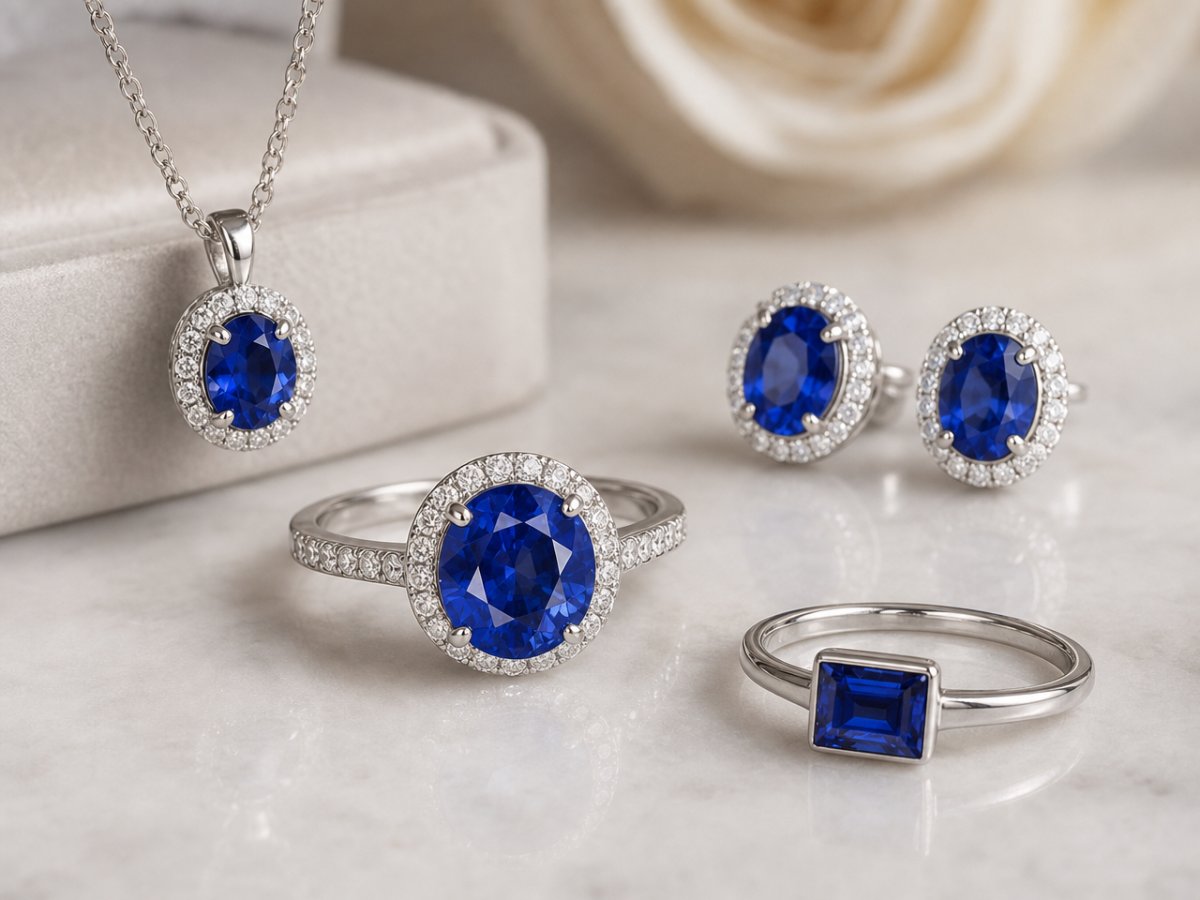
Blue sapphire is highly versatile. It is widely used in rings and earrings, including classic stud earrings. It is also a strong choice for engagement rings, pendants and necklaces. Bracelets, fashion rings and cufflinks are additional design options, especially when the setting provides adequate protection.
Rings and Engagement Rings
For rings, pay close attention to size, cut and setting style. A faceted oval, round or cushion blue sapphire can make a classic center stone, while octagon and step cut stones offer a more architectural look. For engagement rings, buyers often look for a stone with a color they will enjoy every day, a secure setting and a shape that fits the wearer’s style.
Earrings
Blue sapphire earrings can range from understated studs to more elaborate designs. For studs, matched size and color are important. Round and oval stones are practical and timeless, while pear or cushion shapes can add variety.
Pendants and Necklaces
Pendants allow the color of blue sapphire to be displayed with less exposure to impact than rings. A single oval, pear, round or cushion sapphire can work well as a focal stone. Necklaces with multiple blue sapphires require attention to matching, especially if the stones sit close together.
Bracelets and Cufflinks
Bracelets need protective settings because they are more likely to contact hard surfaces. Cufflinks can be an elegant use for blue sapphire, particularly in shapes such as round, oval, square or octagon, where the gemstone can be set securely in a flat or low-profile design.
How to Compare Blue Sapphires Before Buying
When comparing blue sapphires, avoid focusing on a single specification. A heavier stone is not automatically the better choice, and a preferred origin does not guarantee the appearance you want. Instead, compare each stone as a complete package.
Use This Practical Buying Checklist
- Color: Is the blue attractive to you, and does it stay appealing in the photos or viewing conditions provided?
- Cut: Does the stone show good brightness and a pleasing outline for its shape?
- Clarity: Are any visible features distracting when viewed face-up?
- Measurements: Will the stone fit your intended setting or design?
- Treatment: Is the stone listed as heat-treated or untreated, and is the disclosure clear?
- Shape: Does the shape suit the jewelry type, such as ring, earrings, pendant or bracelet?
- Origin: Is origin important to you, and is the information clearly stated?
- Pairing: If buying multiples, do the stones match in color, size and appearance?
Buying Loose Blue Sapphire Online
Buying loose blue sapphire online can be convenient if the listing provides the information needed to make a decision. Look for clear images, accurate measurements, carat weight, shape, cut style and treatment disclosure. If you are buying for a specific mounting, confirm the exact millimeter size before ordering.
At GemSelect, loose gemstones are presented with practical details intended to help buyers compare options. When choosing blue sapphire, use those details together rather than relying on color alone. A stone that fits your design, budget and visual preference is usually the best choice.
Blue Sapphire as a September Birthstone
Blue sapphire is associated with September, making it a meaningful option for birthstone jewelry. September birthstone gifts can be simple, such as stud earrings or a pendant, or more personal, such as a custom ring. If the jewelry will be worn often, consider a secure setting and a shape that suits the wearer’s lifestyle.
Final Buying Advice
The best blue sapphire for you is the one that balances beauty, practicality and disclosure. Start with color, because it defines the stone’s visual identity. Then evaluate cut, clarity and measurements to make sure the gem will work in your chosen jewelry design. Confirm whether the stone is heat-treated or untreated, and consider origin only in context with the gemstone’s overall appearance and documentation.
Blue sapphire offers excellent versatility for rings, earrings, pendants, necklaces and special pieces such as engagement rings. With careful comparison and clear treatment information, buyers can choose a gemstone that looks beautiful in the setting and feels right for the occasion.